Why Your Business Needs To Consider Multiple Payment Methods
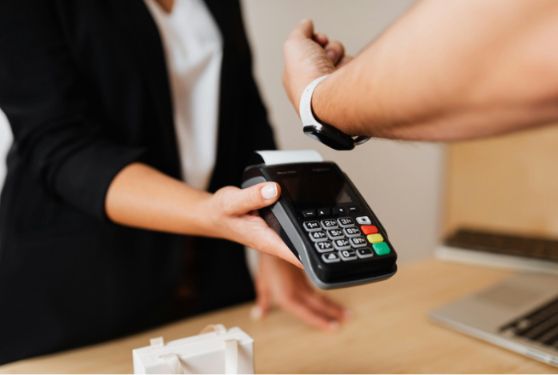
The way people pay has changed. Cash is no longer king, and even credit cards don’t cover it all. A growing number of customers use digital wallets, mobile payment apps, contactless cards, and even peer-to-peer payment platforms to complete transactions.
They walk into your business expecting to see their preferred method accepted. When they don’t, it may cause them to leave. And when they leave, they don’t always come back.
Giving people more ways to pay doesn’t complicate things. It creates convenience. It shows you’re paying attention to how they live and spend. That alone builds trust. You’re not trying to force them into a particular method; you’re meeting them where they already are.
Sales Happen Faster
There’s no good reason to delay a sale. When customers have to dig for a card they rarely use or download a new app just to pay, it slows down the moment. Some won’t wait. Every second it takes to complete a transaction is a moment they reconsider. That’s not good business.
Offering multiple payment methods smooths out the checkout experience. It removes tension, skips unnecessary steps, and gives people fewer reasons to hesitate. And that means more transactions completed with less friction.
It Builds Brand Credibility
Customers notice when you’re behind the curve. They notice when your payment terminal looks ten years old. And when they see only one or two logos at checkout, it sends a subtle message: this place isn’t keeping up.
On the other hand, when your business supports a broad range of modern payment options, you look prepared. Flexible. Legitimate. It suggests you’re not just surviving, but investing in the experience. That creates confidence. And confident customers buy more often and come back more willingly.
Security Matters
Not every customer is comfortable handing over a physical card anymore. Some prefer the extra security of virtual payments or tokenized methods like mobile wallets. Others feel more confident using platforms that mask their card details.
When you offer diverse, secure payment options, you’re not only giving them choice. You’re also giving them control. That changes how they feel about their experience with you. And in many cases, it decides whether or not they’ll even complete the transaction.
You should also be thinking about your end. Modern payment systems often provide better fraud detection, chargeback protection, and data encryption. They can integrate with tools that monitor suspicious activity without manual effort.
Don’t Ignore Spending Behavior
Spending habits shift depending on how easy the payment process feels. Someone might hesitate to pull out a debit card for a $5 charge but won’t blink before tapping their phone. Another might be fine using a digital wallet for a higher-end item, simply because it feels faster and more secure. The method matters, and it shapes how — and how much — people spend.
When you offer only limited options, you’re not just creating friction. You’re limiting how much your customers are willing to spend in the first place. Take a look at how credit card tips at bars are handled; if the process isn’t seamless, tips drop off. Customers don’t want to wait around for a receipt or figure out how to leave a tip manually. They’ll skip it altogether if it feels like hard work.
Make Payments Work For You
Choosing to accept multiple payment methods is not a trend. It’s a reflection of real, permanent changes in customer behavior. Your payment system is more than a back-end necessity. It’s a core part of the customer experience. And it should feel effortless.
Don’t treat it as an afterthought. When payments are easy, people buy. When they’re hard, they walk away. Give them options, and they’ll return the favor.