How Leister Equipment Improves Plastic Fabrication Across Australia
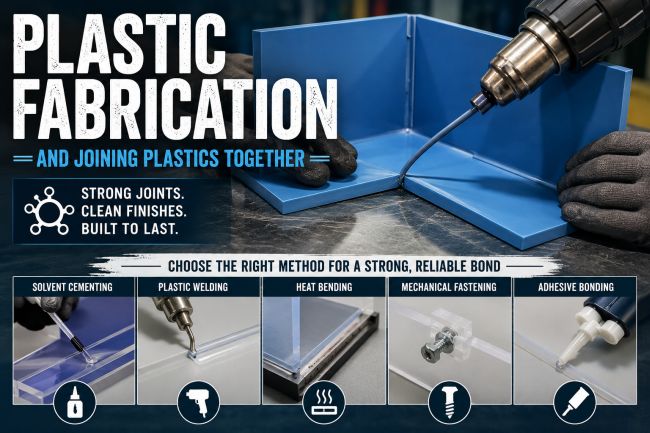
Plastic fabrication requires more than joining two surfaces. Depending on the project, operators may need controlled heat, accurate shaping, steady seam pressure, and equipment that performs reliably in workshops or on site throughout varied Australian operating conditions. These requirements are relevant to roofing, flooring, civil construction, repairs, industrial textiles and manufacturing.
For businesses exploring leister equipment, different tool formats can suit different stages of production. Handheld hot-air units allow detailed control, automatic welders assist with long seams, and extrusion systems deposit more material for larger joints. Matching the method to the application can improve consistency and reduce avoidable rework.
Where Leister Equipment Adds Practical Value
Detailed Repairs and Fabrication
Compact hot-air tools are useful when operators need control around small components, edges or restricted spaces. They may be used for repairs, bending, shaping and joining compatible thermoplastics. Adjustable temperature and airflow help users respond to material thickness and site conditions rather than relying on one fixed setting.
Before completing important work, operators should prepare the surfaces and make test welds. These checks help confirm the appropriate heat, speed and pressure for the material.
Roofing and Membrane Installation
Roofing, flooring and geomembrane projects often involve long, repeated seams. Automatic welding equipment can maintain steadier travel speed and pressure than manual work alone, helping crews achieve more uniform results across large membrane installations.
Conditions still need close attention. Wind, dust, surface moisture, and temperature changes can affect preparation and machine settings. Inspecting the substrate and completing trial seams before production begins can identify adjustments early.
Industrial Workshop Applications
Extrusion welders are commonly used when thicker thermoplastic sections require a larger weld bead or higher deposition rate. Typical applications can include tanks, containers, ducting, pipework, and other fabricated components where hand welding may be inefficient for the joint size.
Material compatibility, welding-rod selection, stable heat and correct travel speed remain essential. These factors influence fusion and final seam quality.
Supporting Consistent Work
Routine servicing and operator training help maintain reliable performance. Nozzles, rollers, heating elements, filters and cables should be checked according to manufacturer guidance. Keeping service records, storing tools correctly and replacing worn components can reduce unplanned downtime.
Summary
Reliable plastic fabrication begins with matching the process to the material, joint and working environment. Australian teams can improve efficiency by selecting suitable handheld, automatic or extrusion equipment and maintaining it carefully. Exploring a broader range of welding products can also help businesses source compatible accessories, spare parts and supporting equipment for future projects.