Why Rats Are the Most Expensive Guests You’ll Ever Have
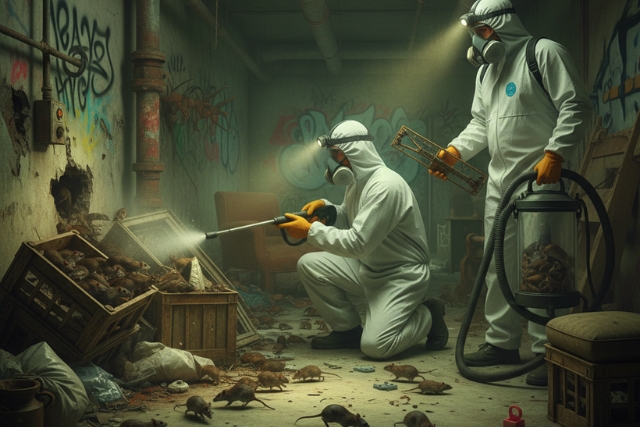
Rats are more than a nuisance, they’re a costly, destructive force that can quietly erode your home’s safety and value.
Even with a skilled rat exterminator, the real challenge often begins after the pests are gone, when hidden damage and contamination start revealing their true price.
Rat Damage: The Hidden Cost Eating Your Home
Rats aren’t just “creepy freeloaders”, they’re biological wrecking balls. Beyond the noise in the walls, they spread over 35 diseases, from leptospirosis to salmonella, through urine, droppings, and even dust particles from nesting areas. They also trigger allergies and asthma, especially in kids.
But the real kicker? Rats mark territory with pheromones, leaving an open invitation for others to join. What looks like a single intruder is usually a sign of an existing system, nests, food routes, and breeding cycles, already operating inside your walls.
Once they move in, they reshape your space, dragging in fleas, mites, and even outdoor pathogens that wouldn’t normally survive indoors. Pets become anxious, sleep quality drops from ultrasonic noises and scratching, and stress hormones rise. This isn’t just an inconvenience, it’s an invisible health and wellbeing issue.
The true danger of a rat infestation isn’t what they destroy, it’s how they silently rewrite your home’s ecosystem around their needs.
How Rat Damage Leads to Rising Rat Infestation Cost
More than most homeowners imagine. Rats gnaw constantly to wear down their ever-growing teeth, chewing through wood, insulation, drywall, and even electrical wiring, causing short circuits, fires, and HVAC malfunctions.
A small colony can destroy thousands of dollars in insulation, ductwork, and wiring within a few months. The worst part? Much of that rat damage hides behind walls or under floors, quietly compounding until something major fails, like your furnace or electrical system.
It’s not just about chewed wires, it’s systemic damage. Rats target infrastructure layers: electrical lines, HVAC ducts, vapor barriers, and plumbing insulation. They open paths for moisture, mold, and future infestations.
Think of it this way: one small gap a rat chews through can turn a sealed, energy-efficient home into a drafty, contaminated money pit. Many homeowners end up repairing what looks like “HVAC failure” or “electrical faults,” when the true culprit was a six-ounce rodent months ago.
The visible damage is the tip of the iceberg, the real rat infestation cost lies in what they make vulnerable.
The Real Cost of Rat Infestation Removal
Rat infestations are a three-part problem: elimination, repair, and prevention.
Unlike ants or roaches, you can’t just spray and move on, you need to locate every entry point, seal gaps the size of a quarter, sanitize contaminated areas, and replace damaged materials. Rats reproduce every three weeks, so cleanup without exclusion just resets the clock.
Urine-soaked insulation and droppings in air ducts require professional removal and sanitation to prevent disease spread. That’s why the cost of rat infestation removal is often five to ten times more than insect treatments.
Because rats don’t just occupy space, they reengineer it. You’re not paying to kill a pest; you’re paying to reverse architectural and sanitary chaos. They contaminate insulation with pheromones that attract future colonies, meaning you can’t just “clean and seal.” You have to rebuild. That’s why a $200 mouse job becomes a $6,000 restoration project once rats are involved.
You’re not just removing rats, you’re undoing everything they taught the next generation of them about your home. The rat exterminator cost often reflects not just labor but the scale of rebuilding required to restore safety and structure.
Does Home Insurance Cover Rat Damage?
Almost never. Insurance companies classify rodent damage as preventable neglect, not an accident or “sudden event.”
If rats chew through wiring and cause a fire, the fire might be covered, but the root rat damage from the infestation won’t be. Same goes for ruined insulation, chewed plumbing, or HVAC duct damage.
Homeowners are often shocked to learn that months of hidden rat infestation cost add up to tens of thousands, all out of pocket, simply because rodents fall into the “maintenance issue” category. Insurance assumes homeowners can prevent them, but rats exploit things no one can truly control, construction gaps, aging vents, new landscaping.
Insurers often deny coverage even for secondary damage (like water leaks or mold) if the initial cause was rodent activity. So when rats chew through a pipe and your basement floods, the adjuster might still call it “neglect.”
The financial risk isn’t the damage itself, it’s discovering your safety net has a rat-sized hole in it too.
How Fast Rat Infestation Cost Adds Up
Incredibly fast. A single pair of rats can produce up to 2,000 descendants in a year. Within weeks, they can build multiple nests, contaminate insulation, and gnaw through expensive infrastructure.
Homeowners who “wait and watch” often end up discovering entire attic or crawlspace rebuilds are needed. Once contamination spreads into ducts or wall cavities, rat exterminator cost escalates from hundreds to several thousand dollars.
Rats live by an algorithm of multiplication, two rats become a dozen before the month ends because they build in parallel. Each female starts a new nest before her first litter is even weaned. That’s how $200 in bait turns into $5,000 in wiring repairs by the next season. Every week of delay doubles hidden cleanup costs, insulation, odor removal, even air-quality testing once droppings enter ventilation systems.
A rat infestation compounds like debt, the interest is time, and it grows fast.
Spotting Rat Damage Before It Gets Expensive
Most people only think about extermination fees, not the domino effect that follows: replacing chewed wiring, insulation, and ductwork; deep cleaning and decontaminating affected areas; and energy waste from heat loss through damaged insulation. Even minor infestations can quietly eat away at both your home’s safety and your resale value.
It’s not just cleanup, it’s the aftertaste. Lingering ammonia odors require duct cleaning and HEPA filtration. Damaged insulation can increase heating bills by 10-20%. Homes with prior rodent remediation often trigger buyer hesitation or inspection red flags. Pets exposed to droppings risk leptospirosis or parasites.
Most people budget for extermination, not for reclaiming normal life. The cleanup ends when the rats are gone; the recovery ends when your home feels like yours again. Preventing rat damage is far cheaper than dealing with the full cost of rat infestation removal later.
Ignoring Rats Doubles Your Rat Exterminator Cost
Think of it like ignoring a leak, the damage doesn’t pause because you haven’t looked. Every day of delay means rats keep nesting, reproducing, and spreading contamination. Electrical damage alone can lead to fires that cost over $10,000 in repairs. Once they reach your HVAC or walls, cleanup becomes a biohazard-level project. Doing nothing doesn’t save money, it just moves the bill from your pest control company to your electrician, plumber, and restoration contractor.
Ignoring a rat problem is like ignoring credit card debt, it compounds quietly until it explodes. Even a few weeks of delay can turn a small trapping job into a full attic remediation. And by the time you notice smells or ceiling stains, you’re dealing with contamination, not just presence.
The financial hit isn’t just in the rat exterminator cost, it’s in the restoration, air-quality cleanup, and long-term repairs caused by unchecked rat damage.
Cut Future Rat Infestation Cost with Prevention
The smartest homeowners invest in exclusion and early detection, not just extermination. Seal every gap larger than a quarter around pipes, vents, and foundation cracks. Trim vegetation and remove outdoor clutter that provides nesting cover. Store food and pet supplies in sealed containers, and secure garbage bins.
Preventive measures often cost less than 10% of what full remediation would, making it one of the few home expenses that actually pays you back in avoided disaster. The most effective prevention isn’t just sealing holes, it’s removing incentives. Keep compost in sealed metal bins, swap mulch near foundations for gravel (rats hate digging in it), and install wire mesh behind vents and under decks instead of foam or caulk.
Schedule annual or seasonal inspections, especially after renovations or landscaping changes, since professionals can spot early droppings or gnaw marks long before an infestation starts. True prevention isn’t about keeping rats out, it’s about making your home an ecosystem they can’t thrive in. Reducing your rat infestation cost starts with stopping the damage before it begins.