How to Start a Holistic Approach to Health

Why does it feel like everyone in Canada is suddenly doing cold plunges, journaling at sunrise, or adding mushrooms to their coffee? Health used to mean going to the doctor once a year.
Now it’s green powders, breathwork, and something called lymphatic drainage. The shift didn’t come out of nowhere. It’s part of a bigger change in how people think about health.
In this blog, we will share how to start a holistic approach to health.
Looking at the Whole Picture
Health isn’t just about test results anymore. People want more than the absence of illness—they want to feel good, stay energized, and live with balance.
That shift didn’t happen overnight. Over the last few years, especially during and after the pandemic, many started questioning what well-being actually looks like.
With hospitals overwhelmed and burnout on the rise, it became clear that health isn’t just physical. Emotional, social, and mental health matter just as much, and in many cases, even more.
As more people turned toward prevention instead of just treatment, the definition of wellness began to stretch. They weren’t just counting calories or logging workouts. Instead, they were asking deeper questions: Is my stress manageable? Am I sleeping enough?
What’s making me feel so drained all the time? Wellness conversations began to include boundaries, relationships, screen habits, and yes—even dental care, which has long been treated as an afterthought in broader health planning.
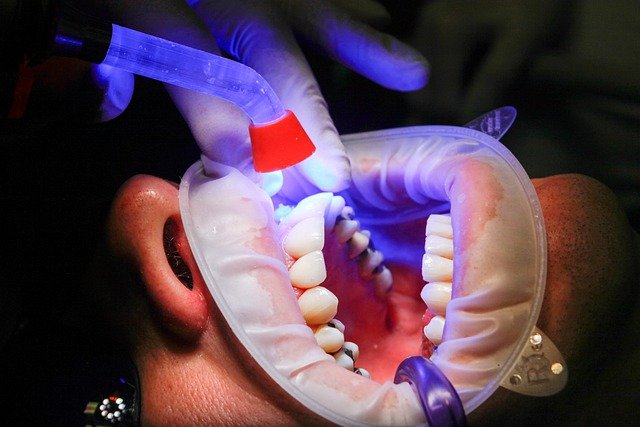
That’s started to change. Increasingly, oral health is being recognized as a window into total body wellness, not just a matter of appearance. For instance, the benefits of the Canadian dental care plan reflect a larger trend: governments and healthcare systems acknowledging that dental health isn’t optional—it’s essential.
When neglected, it links to heart disease, chronic inflammation, and other long-term conditions. Including it as part of accessible care is a step toward treating the body as an interconnected system rather than isolated parts.
And that’s really the heart of holistic health: understanding how all these pieces fit together. A persistent headache might not just be about nerves or tension.
It could be rooted in sleep habits, eating patterns, even emotional strain. Looking at just one part rarely gives the full answer. But when people start seeing the whole picture, change becomes possible.
Start with What You’re Already Doing
Adopting a holistic approach doesn’t mean rebuilding your life from scratch. It means looking at what you already do and asking if it’s working for or against your health.
Take sleep, for example. It’s a starting point, not an afterthought. Poor sleep weakens the immune system, slows thinking, and raises cortisol. Good sleep builds recovery into every day. The funny thing is how often people neglect it while obsessing over supplements or diets.
Movement is the next layer. Not everyone needs to run marathons. But some form of regular, low-stress physical activity supports circulation, digestion, mental health, and energy. Walking, stretching, swimming—anything that moves blood without wrecking your joints is useful. What matters is not how intense it looks on social media but how consistent it is over time.
Food has always been the focus of health conversations, but in a holistic system, food isn’t just fuel—it’s information. What you eat influences inflammation, mood, gut health, even focus.
The best advice here isn’t revolutionary: eat whole foods, mostly plants, cut back on processed stuff. But people still reach for complex diets hoping to shortcut a better outcome. Trends come and go, but your body notices what you eat more than what you call your eating plan.
And don’t ignore hydration. Dehydration mimics fatigue. It clouds judgment. It also increases hunger cues and slows metabolism. So if you’re tired and irritable, start with a glass of water. It won’t fix everything, but it’s a better first step than caffeine or sugar.
Mental Health Isn’t Separate from Physical Health
For a long time, people treated mental health like it was some optional category. It wasn’t physical, so it felt distant. But brain and body talk constantly, and stress is one of the loudest voices in the room. It shows up in stomach trouble, headaches, muscle tension, blood pressure. And when stress isn’t handled, those symptoms pile up into chronic issues.
Holistic health treats stress like a measurable input. It looks at your habits, your routines, and your environments. Are you rushing through the day without breaks? Is your phone the last thing you see at night? Do you say yes to things that drain you? These aren’t just personality quirks—they shape your nervous system. And when that system runs hot for too long, everything else starts to fray.
Managing stress doesn’t require an expensive retreat. It starts with creating space—five minutes to step outside, two minutes to breathe deeper, one minute to pause before reacting. The goal isn’t a perfect routine. It’s space to reset your system so it doesn’t collapse under pressure.
Journaling, walking without earbuds, quiet mornings, or saying no to something you don’t need to do—these are all small acts of mental care. They don’t fix life, but they keep your foundation from cracking.
Start Small and Pay Attention
People often get overwhelmed when trying to be “healthy.” There’s always something new to try. Some new rule to follow. But real change doesn’t happen in giant leaps. It happens through small, steady shifts that you stick with. So if you’re trying to start a holistic approach, begin with one area—sleep, food, stress, movement, social time. Give it attention for a few weeks. See what shifts. Adjust from there.
Health is personal. What works for one person might not work for you. And that’s okay. The value of a holistic approach isn’t in perfect routines or clean aesthetics—it’s in the way it teaches you to listen to yourself. You stop living by someone else’s plan. You start living in response to your actual needs.
And that’s where sustainable change lives. Not in overnight fixes, but in daily attention. You won’t always get it right. But if you’re willing to stay curious and pay attention, your body and brain will meet you halfway. And little by little, you’ll feel more like yourself—not a “better version,” but a steadier one.