Fast and Reliable Cooling System Services to Beat the Summer Heat
When the high desert sun begins to bake the landscape, your home’s air conditioning system transitions from a seasonal convenience to a critical lifeline. In regions where daytime temperatures can swing dramatically, the mechanical stress on a cooling unit is immense.
Most homeowners rarely think about their HVAC system until the vents stop blowing cold air, usually during the hottest week of the year. Maintaining a cool, breathable indoor environment requires more than just luck; it requires a proactive approach to mechanical care and a basic understanding of how your system handles the external thermal load.
A sudden breakdown in the middle of a heatwave is more than just an inconvenience—it can be a safety hazard for the elderly, children, and pets. To ensure your home remains a sanctuary, it is essential to have a trusted professional on standby.
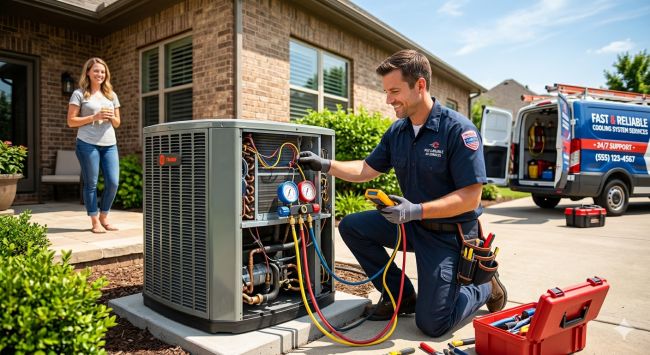
If you find your system struggling to keep up with the thermostat or making unusual grinding noises, seeking out an expert for AC repair in Wells, NV is the most effective way to prevent a minor glitch from becoming a total system failure. By addressing small issues like a worn fan belt or a flickering capacitor early, you extend the lifespan of your unit and maintain the energy efficiency levels your wallet appreciates.
The Science of Heat Exchange and Airflow
The primary function of an air conditioner is not actually to “create” cold air, but rather to remove heat from the interior of your home and move it outside.
This process relies on a delicate balance of refrigerant pressure, airflow, and clean heat exchange surfaces. When dust or debris accumulates on the evaporator or condenser coils, it acts as an insulator, forcing the compressor to run longer and hotter to achieve the same cooling effect.
Beyond the coils, your system’s blower motor and ductwork must be in top condition to distribute air evenly. Restricted airflow is a leading cause of “frozen” coils, a frustrating phenomenon where the indoor unit literally freezes over despite the blistering heat outside.
Keeping your home comfortable in a desert climate means ensuring that every path the air takes—from the return vent to the supply registers—is clear and unobstructed.
Recognizing the Warning Signs of AC Fatigue
Your cooling system will often give you subtle warnings before it quits entirely. One of the most common signs is a sudden, unexplained increase in your monthly utility bill, which suggests the unit is losing its efficiency and working overtime.
You might also notice that some rooms are significantly warmer than others, or that the air coming from the vents feels “heavy” or humid. These are indicators that the internal components are reaching their limit.
When these symptoms appear, it is wise to consult a specialist for AC repair in Wells, NV, to perform a comprehensive diagnostic. A technician can check for refrigerant leaks, which are notoriously difficult for a DIYer to find but can cause massive damage to the environment and the system if left unchecked.
They can also calibrate your thermostat to ensure the “brain” of your cooling system is communicating correctly with the mechanical heart of the unit.
The Role of High-Efficiency Filtration
Indoor air quality is intrinsically linked to your cooling system’s performance. In dry, dusty environments, standard filters can become overwhelmed in as little as three weeks.
Upgrading to a high-efficiency particulate air (HEPA) filter or a pleated filter with a higher MERV rating can significantly reduce the amount of dust that reaches your sensitive HVAC components. This simple upgrade protects your motor from friction damage and keeps your family breathing cleaner, healthier air throughout the summer.
Proactive Maintenance: A Checklist for Homeowners
While professional service is irreplaceable for complex repairs, there are several steps a homeowner can take to support their cooling system’s health. By following a regular maintenance schedule, you can reduce the overall “heat load” on your home and keep your AC running at peak performance.
- Monthly Filter Inspections: Swap out filters every 30 to 60 days to ensure maximum airflow and better air quality.
- Condenser Clearance: Maintain at least two feet of clear space around your outdoor unit, removing any weeds, shrubs, or windblown trash.
- Shade Your Windows: Use heavy curtains or reflective blinds on south-facing windows to block radiant heat from entering the home.
- Clear the Drain Line: Ensure the condensate drain line is dripping freely; a clog here can cause water damage or a system shut-off.
- Smart Thermostat Scheduling: Program your system to rise by 4 to 5 degrees when you are away to save on energy without overworking the compressor.
Conclusion
Staying cool during a brutal summer is a matter of preparation and timely action. By focusing on airflow, keeping your system clean, and responding quickly to any changes in performance, you can ensure your home remains comfortable and your energy costs stay manageable.
Don’t wait for the mercury to hit triple digits before checking on your air conditioner. A small investment in maintenance and professional care today ensures that when the heat arrives, your cooling system is ready to beat it.