Weather-Related Hazards for Truck Drivers and Other Motorists
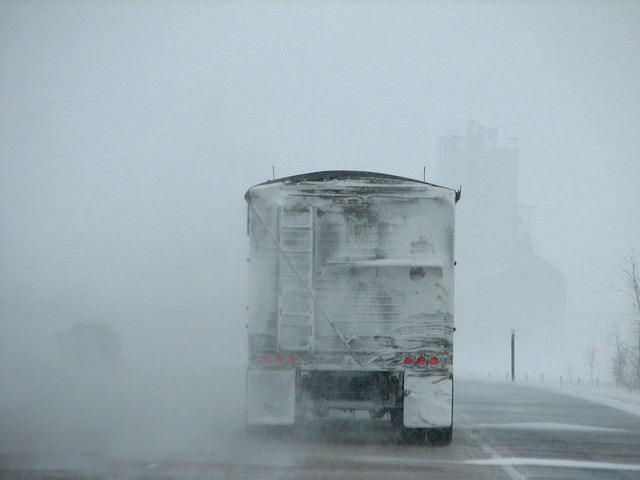
Driving in bad weather can be dangerous for any motorist, but for truck drivers, the risks are even greater. Large commercial trucks handle differently than passenger vehicles and their size and weight make it harder to maneuver and stop quickly.
Poor weather conditions can make these challenges even more severe, leading to a higher risk of accidents. Understanding how weather impacts both truck drivers and other motorists can help everyone stay safe on the road. If you were injured in a truck crash, call Andy Citrin Injury Attorneys.
How Weather Conditions Increase Accident Risks
Adverse weather can affect visibility, traction, and control. Commercial trucks are particularly vulnerable because of their high center of gravity, long stopping distances, and wide turning radius. Even the most experienced drivers can struggle when faced with snow, ice, fog, or heavy rain.
The Federal Motor Carrier Safety Administration (FMCSA) has reported that weather is a factor in thousands of truck accidents every year. While some of these crashes are unavoidable, many occur because drivers fail to adjust their speed or driving habits to match conditions.
Common Weather Hazards for Truck Drivers
Rain and Hydroplaning
Rain can make roads slick, especially during the first few minutes of a storm when oil and debris rise to the surface. Trucks have more tire contact with the road than passenger vehicles, but their heavy loads can make hydroplaning especially dangerous. If a truck loses traction, it can jackknife or slide into another lane, putting surrounding motorists at risk.
Truck drivers should slow down in wet conditions and avoid sudden steering movements. Maintaining proper tire tread and checking tire pressure regularly can also reduce the chances of hydroplaning.
Snow and Ice
Snow and ice can create some of the most dangerous driving conditions for truckers. Ice can be nearly invisible, and black ice is especially hazardous because it forms a thin, transparent layer that blends with the road surface. Trucks require a longer stopping distance than cars, so even a slight loss of traction can cause a crash.
Chains or specialized winter tires can improve grip, but they do not eliminate the risk. Truckers should also plan routes carefully to avoid steep grades and areas known for icy patches.
Fog and Low Visibility
Fog reduces visibility to just a few feet in some cases, making it difficult for drivers to see vehicles ahead or obstacles in the road. Trucks need extra distance to stop, which means that low visibility can turn a routine slowdown into a serious collision.
In foggy conditions, truck drivers should use low-beam headlights or fog lights and avoid using high beams, which can reflect light back and make it harder to see. Maintaining a safe following distance and slowing down are key.
High Winds
Strong winds can push high-profile vehicles like tractor-trailers into adjacent lanes or even tip them over. Empty or lightly loaded trailers are especially vulnerable because they have less weight to anchor them to the road.
Truckers should check wind advisories before traveling through open areas, bridges, or mountain passes. Slowing down and keeping both hands firmly on the wheel can help maintain control.
Extreme Heat
While hot weather may not seem as dangerous as snow or ice, it can lead to mechanical failures that cause accidents. High temperatures can cause tire blowouts, brake fade, and engine overheating. For trucks carrying heavy loads, these risks are even higher.
Regular maintenance and pre-trip inspections are critical during the summer months to identify issues before they lead to a breakdown or crash.
How Weather Hazards Impact Other Motorists
While truck drivers face unique challenges, other motorists also need to adapt when sharing the road in bad weather. Passenger vehicles have more maneuverability than trucks, but they are still at risk when visibility and traction are reduced.
One of the most important safety tips for other motorists is to give trucks extra space. Following too closely behind a truck in bad weather is dangerous because trucks can spray water, snow, or debris that reduces visibility. Staying out of a truck’s blind spots is also essential, especially when road conditions make sudden lane changes risky.
Preventing Weather-Related Truck Accidents
For Truck Drivers
- Adjust Speed to Conditions: Driving slower in poor weather gives more time to react and reduces stopping distances.
- Increase Following Distance: Leaving more space between vehicles helps prevent rear-end collisions.
- Perform Regular Maintenance: Check tires, brakes, lights, and wipers frequently to ensure they are in good condition.
- Plan Routes Carefully: Avoid areas prone to flooding, high winds, or severe winter weather when possible.
- Know When to Stop: Sometimes the safest decision is to pull over until conditions improve.
For Other Motorists
- Stay Back: Give trucks extra space to stop and maneuver.
- Avoid Blind Spots: If you cannot see the truck driver in their mirror, they cannot see you.
- Use Headlights: Make your vehicle more visible in low-light or poor weather conditions.
- Be Patient: Do not try to pass a truck in dangerous weather unless it is absolutely necessary and safe to do so.
The Role of Liability in Weather-Related Truck Accidents
In many truck accident cases involving bad weather, insurance companies and investigators will examine whether the driver took appropriate precautions. If a truck driver was speeding, following too closely, or failing to use proper safety equipment, they could still be held liable even if the weather played a role.
Trucking companies also have a responsibility to ensure their vehicles are properly maintained and that drivers are trained to handle different weather conditions. Failure to meet these obligations can result in shared liability for accidents.
Weather-related hazards are an unavoidable part of driving, but understanding the risks and taking proactive steps can reduce the likelihood of an accident. For truck drivers, this means adjusting driving habits, performing regular maintenance, and knowing when conditions are too dangerous to continue. For other motorists, it means giving trucks the space they need and avoiding risky maneuvers in poor weather.
By working together and staying alert, both truck drivers and passenger vehicle drivers can help make the roads safer no matter what the forecast brings.