Understanding Fault in Rear-End Collisions
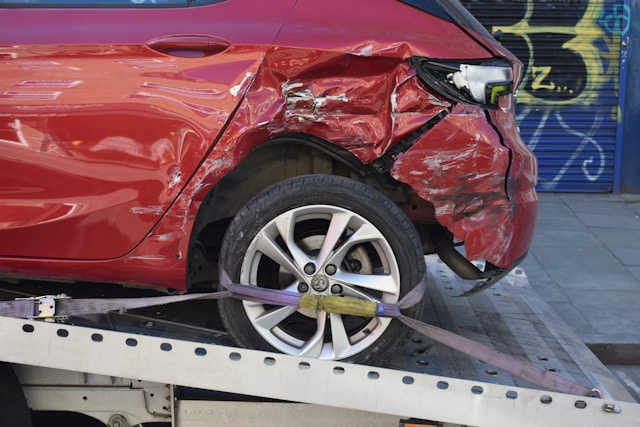
Rear-end collisions are among the most common types of motor vehicle accidents. According to the National Highway Traffic Safety Administration (NHTSA), nearly one-third of all traffic crashes are rear-end collisions. While many people assume the driver in the back is always at fault, determining liability is not always so simple.
In this article, we’ll explore how fault is established in rear-end crashes, what exceptions may apply, and how victims can protect their legal rights. If you were injured in a crash in Minnesota, TSR Injury Law may be able to help you take legal action.
Why Rear-End Collisions Happen
Rear-end accidents occur when one vehicle crashes into the back of another. These crashes are often the result of driver inattention or distraction. Common causes include:
- Tailgating or following too closely
- Distracted driving, such as texting or eating
- Speeding or sudden braking
- Weather-related road conditions
- Driver fatigue or impairment
- Sudden stops by the lead vehicle
While the circumstances of each crash can vary, most rear-end collisions happen because the rear driver was not paying enough attention or failed to maintain a safe following distance.
The Presumption of Fault
In many rear-end crashes, there is a legal presumption that the driver who hit the vehicle in front is at fault. Drivers are expected to maintain enough distance to stop safely, even if the vehicle ahead slows down suddenly. If a driver fails to do so and causes a crash, it is often considered a breach of their duty of care.
However, a presumption is not the same as absolute liability. It simply shifts the burden to the rear driver to prove they were not negligent. There are exceptions to this rule, and not every rear-end crash is entirely the rear driver’s fault.
When the Lead Driver May Be at Fault
Although rare, there are situations where the lead driver may share some or all of the fault in a rear-end collision. These include:
Sudden and Unreasonable Stops
If the lead driver slams on the brakes without warning and for no apparent reason, they may bear some responsibility for the crash.
Faulty Brake Lights
Drivers are required to maintain working brake lights to signal when they are stopping. If the lead vehicle’s brake lights are out, the rear driver may not have had adequate warning.
Reversing Unexpectedly
If a vehicle backs up suddenly into the car behind it, the lead driver could be held liable.
Road Rage or Brake Checking
In some cases, a driver may intentionally brake hard to intimidate or retaliate against another driver. This behavior, often referred to as brake checking, may be considered aggressive or reckless driving.
Stalled or Disabled Vehicle Without Warning
If a car is stalled in the middle of the road and the driver fails to use hazard lights, cones, or flares, they may be partially at fault if another vehicle crashes into them.
Shared Fault and Comparative Negligence
Many states follow a system called comparative negligence. Under this rule, each party’s degree of fault is evaluated and damages are awarded accordingly. For example, if the rear driver is 80 percent at fault and the lead driver is 20 percent at fault, the compensation the rear driver receives could be reduced by their share of the blame.
In states that use modified comparative negligence, a driver cannot recover damages if they are found to be more than 50 or 51 percent at fault, depending on the jurisdiction.
Understanding how your state applies these rules is critical to knowing your rights and the potential value of your claim.
How Fault Is Determined
Insurance companies and courts use several pieces of evidence to determine fault in rear-end accidents. These may include:
- Police reports
- Eyewitness statements
- Dashcam or surveillance footage
- Vehicle damage and accident reconstruction
- Skid marks and roadway debris
- Driver statements
- Cell phone records or GPS data
The more evidence you can provide to support your version of events, the stronger your case will be.
What to Do After a Rear-End Collision
If you are involved in a rear-end crash, there are several important steps you should take to protect your health and your legal rights:
- Call 911 – Report the accident and request medical attention if needed.
- Document the Scene – Take photos of the vehicles, road conditions, and any visible injuries.
- Exchange Information – Get the contact and insurance information of the other driver.
- Talk to Witnesses – Ask for their names and phone numbers in case their testimony is needed.
- Seek Medical Attention – Even if you feel fine, get checked by a doctor. Some injuries take time to appear.
- Notify Your Insurance Company – Report the accident as soon as possible.
- Speak to a Personal Injury Attorney – An experienced lawyer can help you understand your rights and build a strong claim.
Common Injuries in Rear-End Accidents
Even at low speeds, rear-end crashes can result in serious injuries. Some of the most common include:
- Whiplash and soft tissue injuries
- Back and spinal cord injuries
- Concussions or traumatic brain injuries
- Facial injuries from airbags or broken glass
- Broken bones
- Chronic pain
Treatment for these injuries can be expensive and long-lasting. A personal injury claim can help you recover compensation for medical bills, lost income, pain and suffering, and other damages.
Rear-end collisions may seem straightforward, but determining fault can be more complicated than it appears. While the rear driver is often presumed to be at fault, there are exceptions and shared fault scenarios that must be carefully evaluated. If you were injured in a rear-end crash, do not assume you know who is responsible until you have spoken with a qualified attorney.
A personal injury lawyer can help investigate your case, preserve critical evidence, and fight for the full compensation you deserve. Whether you were hit from behind or were involved in a more complex collision, understanding your rights is the first step toward recovery.