
5 Factors to Understanding Hospital Bed Rental Costs
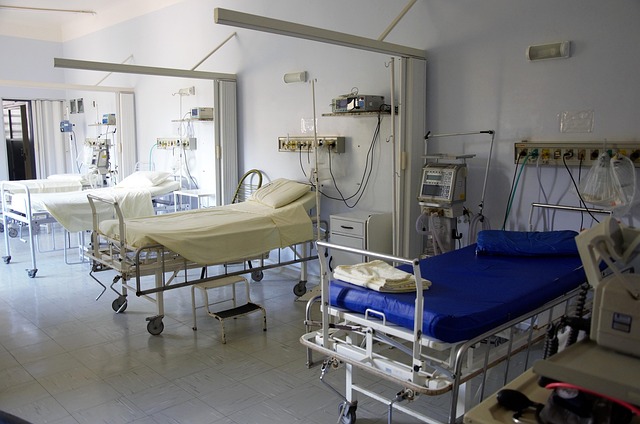
Understanding hospital bed rental costs is the first step to finding the most affordable option for your needs. Factors such as duration of rental, type of bed, and additional services will impact the overall cost. Having the right equipment is essential when managing a loved one’s recovery or coping with a chronic condition.
Hospital bed rentals offer a practical solution for those needing medical-grade comfort and support at home without the commitment of a full purchase. Hospital beds are specifically designed to enhance comfort, improve safety, and support medical needs during recovery or long-term care.
This guide explores the various costs associated with hospital bed rentals and breaks down the key factors to consider so you can make the best choice for your unique situation.
Factors Influencing Hospital Bed Rental Costs
The cost of hospital bed rental will vary based on several factors, including the type of bed, rental duration, and additional features. Understanding these variables will help you estimate the total expense and determine the best option for your needs.
1. Type of Hospital Bed
Hospital beds come in various types, each offering different features and functionalities.
- Manual Beds: These beds require manual adjustment for head and foot positioning. They are typically the most affordable option, with rental costs ranging from $50 to $150 per week.
- Semi-Electric Beds: These beds offer electric adjustment for head and foot positioning but require manual adjustment for bed height. Rental costs generally range from $100 to $250 per week.
- Full-Electric Beds: These beds offer maximum convenience with electric adjustments for head, foot, and bed height. Rental costs typically range from $200 to $400 per week.
- Low Hospital Beds: Designed for patients at risk of falling, these beds can be adjusted to a lower height. Rental costs typically range from $300 to $500 per week.
- Bariatric Beds: These heavy-duty beds are designed for patients with higher weight capacities. Rental costs range from around $400 to $600 per week or more.
2. Rental Duration
The length of time you need the bed will impact the total rental cost. Some established mobility equipment suppliers like Mobility Plus Colorado offer discounts for long-term hospital bed rentals, while others may have minimum rental periods. It’s essential to discuss your specific needs with the rental provider to get an accurate estimate.
3. Delivery and Setup Fees
A lot of rental companies charge extra for the hospital bed’s setup, pickup, and delivery. These fees often range from $100 to $200, depending on the provider and location.
To prevent unforeseen costs, it’s critical to ask about these possible expenses up front.
4. Additional Features and Accessories
Optional accessories such as side rails, overbed tables, and specialized mattresses may add to the rental cost. For example, adding side rails may increase the weekly rental fee by $25 to $50.
Find out which accessories are required and how much they cost by talking with the rental provider about your particular needs.
5. Insurance Coverage
In some cases, health insurance may cover the cost of renting a hospital bed if it’s deemed medically necessary. Coverage varies by provider and policy, so it’s essential to check with your insurance company to understand your benefits.
Some rental companies may accept insurance directly, while others may require you to pay upfront and submit a claim for reimbursement.
Benefits of Renting a Hospital Bed
There are many benefits to renting a hospital bed, particularly for temporary requirements.
The following are some advantages of hospital bed rental:
- Cost-effective for Short-Term Use: If the bed is needed for a brief period of time, renting is frequently less expensive than buying.
- No Long-Term Commitment: Renting allows you to use the bed for as long as needed without the commitment of ownership.
- Maintenance Included: Many rental agreements include maintenance and servicing, ensuring the bed remains in good condition.
- Flexibility: Renting provides the flexibility to choose different types of beds or accessories as needs change.
Considerations Before Renting
Before renting a hospital bed, consider the following important factors to ensure it meets both the patient’s needs and your logistical requirements:
- Space Availability: Ensure you have adequate space in the home for the bed and any additional equipment. Measure doorways, hallways, and the intended room to confirm that the bed can be delivered and installed without issues. Consider the location of power outlets if you’re renting an electric bed.
- Patient’s Needs: Assess the patient’s specific medical and mobility needs to determine the most appropriate type of bed and accessories. For example, studies show that an adjustable bed system, when combined with other skin protection strategies, may be appropriate and beneficial for certain individuals with spinal cord injury. Additional features such as side rails, pressure-relief mattresses, or height adjustability may be necessary based on the patient’s condition and risk of falls or pressure sores.
- Rental Terms: Review the rental agreement carefully. Be sure to understand all aspects, including the length of the rental period and billing cycle, and what happens if you need to extend or cancel the rental. Clarify what’s included in the price, such as delivery, setup, and pickup fees, and confirm whether maintenance or repairs are covered.
- Insurance Coverage: Check with your insurance provider to understand what is covered and under what circumstances. Some providers require a physician’s prescription or proof of medical necessity for reimbursement. It’s also helpful to ask the rental company if they work directly with insurance companies or if you’ll need to pay upfront and submit a claim.
Renting a Hospital Bed: A Cost-Effective Option
Renting a hospital bed is a smart, cost-effective option for those needing short-term or flexible care solutions at home. With a range of bed types, accessories, and service options available, it’s essential to evaluate both the medical needs and budgetary constraints before committing to a rental. Here’s a summary of key points to keep in mind:
- Bed Type Matters: Manual beds are the most affordable, while bariatric and low beds, due to their specialized features, are more expensive.
- Rental Duration: Longer rentals may lower your weekly rate, but total costs add up over time.
- Setup and Delivery Fees: Always ask about extra charges for delivery, installation, and pickup.
- Additional Accessories: Items like side rails or special mattresses will improve comfort, but increase cost.
- Insurance Options: Coverage varies—some providers may bill insurance directly; others require reimbursement.
- Patient Needs and Space: Evaluate the space in your home and the medical requirements of the patient to choose the right configuration.
Choosing to rent a hospital bed is not just a financial decision; it’s a step toward ensuring safety, comfort, and better recovery outcomes for your loved one. By thoroughly understanding the costs, terms, and options, you will feel confident that you’re making the best possible choice for your home care situation.






![The Benefits of a Standing Desk [Infographic]](https://stumbleforward.com/wp-content/uploads/2020/08/pexels-ivan-samkov-4240545.jpg)